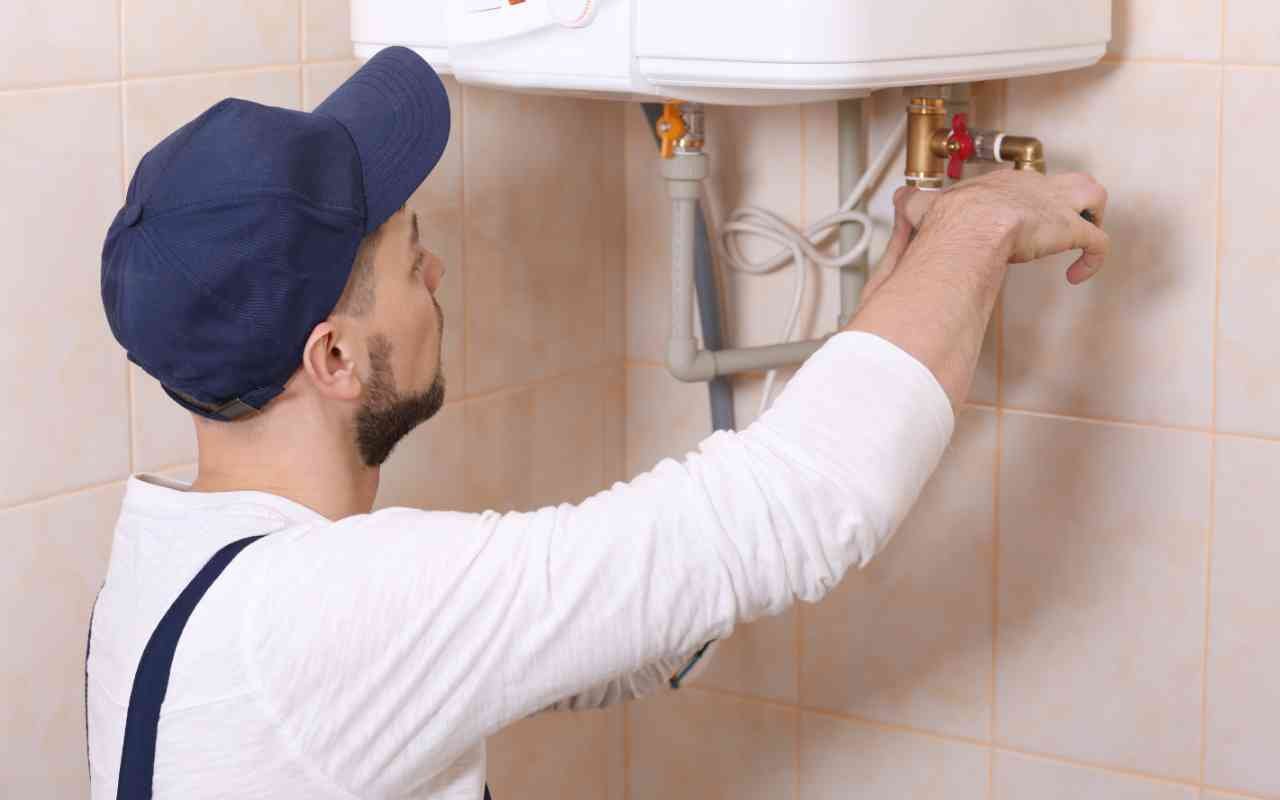

A water heater may fail for simple reasons. Check the breaker, thermostat, and cold-water supply first. For gas units, relight the pilot and confirm the burner fires. Flush the tank to remove sediment, tighten fittings, and listen for leaks or unusual noises. If issues persist after these steps, seeking a professional assessment can reveal efficiency problems, faulty thermostats, or worn components that require replacement. The next move could determine whether the problem is minor or more substantial.
What’s Behind a Cold Water Surprise
A cold-water surprise often stems from a simple, fixable cause rather than a major system failure. The reader walks through quick checks: verify power, inspect the thermostat, confirm water supply, and test the pressure relief valve. Diagnose calmly, log results, and consider systematic steps. Cold water mystery, heater surprises are common, but resolution remains practical and actionable.
Quick Fixes You Can Try Today
Starting from the quick checks outlined for a cold-water surprise, the quick fixes you can try today focus on practical, immediate actions with minimal tools.
Check thermostat settings, relight pilot if applicable, and flush sediment with a cautious drain.
Address hot water misconceptions, verify breaker status, and inspect connections.
Debunk heater efficiency myths by sealing leaks and reducing drafts for steady output.
When to Inspect, Service, or Replace
It is important to determine when inspection, servicing, or replacement is warranted based on performance patterns and safety concerns rather than routine intervals alone. A practical approach follows: observe temperature consistency, check for leaks, and note unusual noises. If issues persist after basic troubleshooting, consider inspecting water heater, evaluating efficiency, and deciding on replacing components or entire unit to restore reliable hot water.
Preventive Steps to Keep Hot Water Flowing
Regular maintenance prevents interruptions in hot water flow by addressing common failure points before they become problems. Inspect access panels and shutoff valves; tighten fittings to prevent leaks. Flush the tank annually to remove sediment; restore anode rod if corroded. Schedule professional checks for thermostat accuracy. Spark notes reveal quick fixes; myth busters confirm routine care sustains steady hot water, freedom, reliability.
Frequently Asked Questions
How Long Should a Water Heater Last Before Replacement?
A water heater typically lasts 8–12 years before replacement. In practice, assess age, efficiency, and frequent repairs. If old plumbing symptoms appear or unexpected maintenance becomes routine, plan replacement proactively to avoid sudden outages and costlier fixes.
Can Mineral Buildup Cause Inconsistent Hot Water Temperatures?
Mineral buildup can cause inconsistent temperatures as scale insulates heating elements. The approach: describe the issue, then steps—flush tank, descale, inspect thermostat, monitor results—allowing freedom to customize maintenance and prevent sudden temperature swings.
Do Energy Efficiency Ratings Affect Heating Performance?
Energy ratings can influence heating performance, with higher efficiency generally improving sustained output; however, actual impact depends on system design and usage. Two word discussion ideas: energy ratings, performance impact. Steps: assess labels, compare models, consider replacement efficiency, monitor temperatures, adjust setpoints for desired freedom.
What Signs Indicate a Leaking Water Heater Tank?
Leaking indicators hint at a failing vessel; tank corrosion is a clear danger. A detached observer notes puddling, damp spots, and rusty water. Practically, shut off power, relieve pressure, and call a professional for replacement or repair.
Is a Faulty Thermostat Common and Fixable?
A faulty thermostat is common and often fixable. The approach: test temperature readings, verify wiring, and replace the thermostat if tests indicate miscalibration. If necessary, perform thermostat replacement promptly, ensuring power is shut off and a calibrated unit is installed.
Conclusion
A practical conclusion: A cold-water surprise often signals simple causes, such as a tripped breaker or misread thermostat, that homeowners can verify quickly. One notable stat: up to 30% of water-heating issues stem from thermostat settings or power interruptions, not worn components. By following a methodical checklist—confirm power, inspect thermostat, verify cold-water supply, and test for leaks—before calling a pro, homeowners can save time and prevent unnecessary replacements. Regular maintenance minimizes repeated interruptions.